Mannu Mathew, Assistant Editor
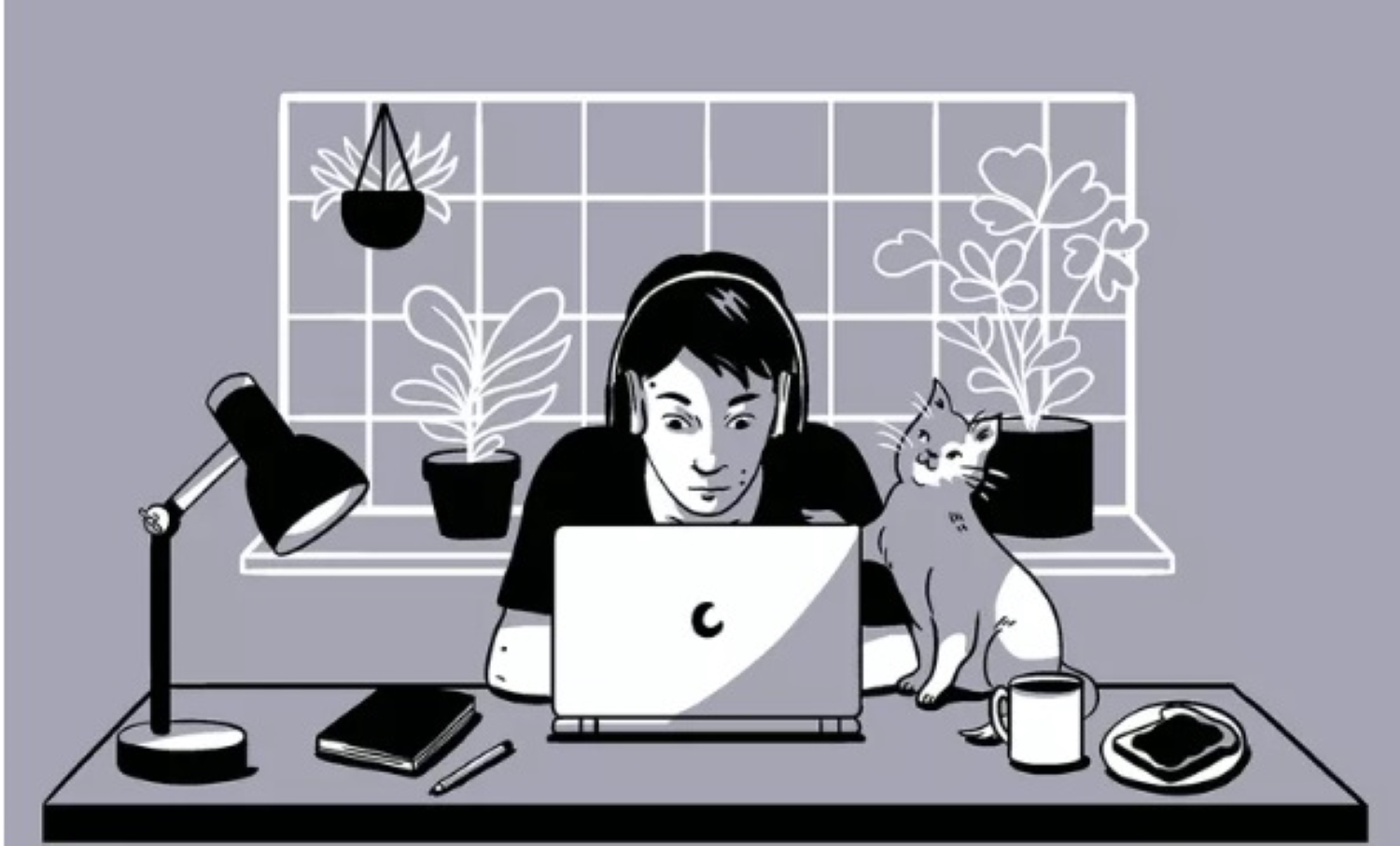
The concept of working from home (WFH) often sparks two distinct reactions: curiosity and scepticism. For some, it’s the ideal setup—working in pyjamas, sipping coffee on a cosy couch. For others, especially traditional employers, it raises questions about productivity, discipline, and honesty. Let’s dive into this ever-relevant debate, peppered with personal anecdotes and professional insights.
The Perception Game
From the employer’s side, the most common WFH narrative revolves around trust—or the lack of it. A popular assumption is, “If I can’t see them, they must not be working.” This scepticism isn’t entirely unfounded; decades of office culture have ingrained the idea that productivity is synonymous with being physically present. Unfortunately, this mindset can undermine the morale of dedicated employees who, ironically, may deliver better results from home.
On the flip side, employees sometimes view WFH as a golden ticket—a chance to juggle tasks at their leisure. Let’s be real: we’ve all heard tales of people sneaking in a nap between meetings or handling chores during work hours. While flexibility is a major perk, it shouldn’t be mistaken for a lack of commitment.
My Two-Year WFH Journey
During my stint with a fully remote organization for two years, the setup was far from relaxed chaos. It was structured, demanding, and goal-oriented. Internet connections became lifelines, virtual meetings replaced watercooler chatter, and deliverables were non-negotiable. Despite being scattered across cities, we functioned like a well-oiled machine, hitting targets and achieving remarkable outcomes.
Yet, even in such an efficient environment, the lack of in-person interactions was palpable. While our online tools kept communication alive, the camaraderie and creative sparks born from face-to-face brainstorming were missing. This taught me that while WFH can be highly productive, it’s not a one-size-fits-all model. A blend of remote and in-office work often delivers the best of both worlds.
Trust as a Two-Way Street
Employers need to evolve beyond the “If I can’t see you, you’re not working” mentality. Transparent monitoring systems can help gauge performance without micromanagement. Metrics like timely deliverables, quality of output, and measurable contributions can replace the need for physical surveillance. At the same time, trust isn’t blind—it’s earned. Employees should demonstrate accountability, ensuring tasks are completed with the same dedication as they would in the office.
Employees, on their part, must respect the flexibility WFH offers. It’s not a vacation. Keeping clear boundaries between work and personal life, communicating effectively, and being proactive with deadlines are essential. Taking the arrangement for granted only reinforces stereotypes that WFH breeds laziness.
The Hybrid Solution
As a journalist, I can vouch for one thing: with a good internet connection, anything is possible. Research, interviews, content creation—all of it can be seamlessly managed from home. But there are times when an in-person meeting becomes essential. Be it for an exclusive interview or simply to strengthen professional relationships, face-to-face interactions remain invaluable.
The future lies in embracing a hybrid work culture—a mix of remote and office days that balances flexibility with collaboration. Scheduled team meetups can maintain social bonds, while remote workdays can foster deep focus and efficiency.
WFH isn’t inherently flawed; it’s a system that thrives on mutual trust, clear expectations, and accountability. Employers must shift their focus from where the work is done to how well it is done. Employees, on the other hand, should treat the privilege with care, ensuring they deliver results that justify the trust placed in them.
In the end, with the right mix of rules, trust, and dedication, WFH can be a win-win for all. After all, whether you’re typing away in an office cubicle or from your dining table, professionalism knows no boundaries.